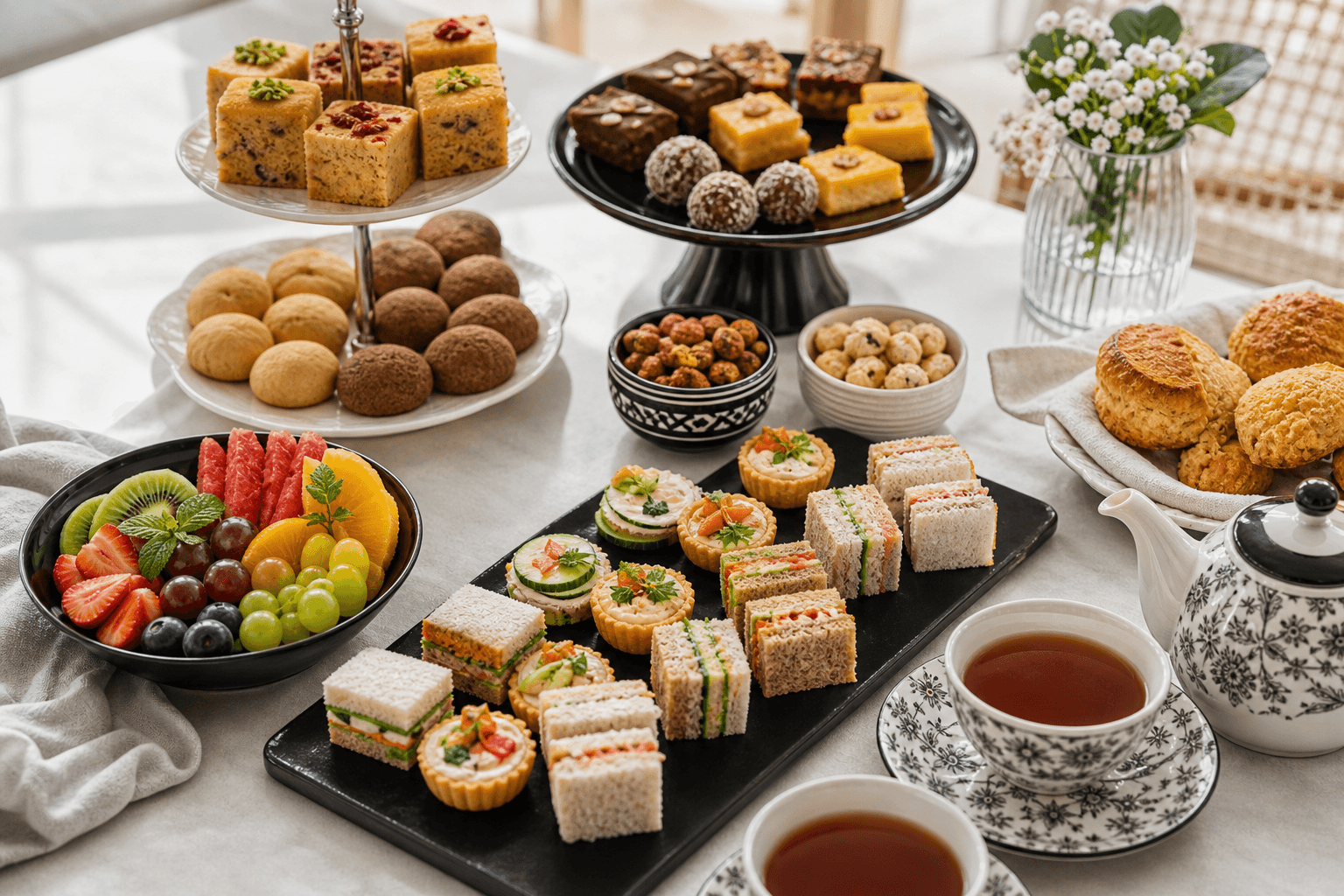
An afternoon tea platter usually combines small savoury bites, finger sandwiches or other hand-held foods, sweets, fruit, and tea accompaniments. For a light gathering, plan about 3 to 5 savoury or sweet bites per guest, then increase the amount when tea is replacing a meal. A Punjabi-inspired version can use vegetarian samosas, other savouries, and mithai as selected components, but availability and package details should be confirmed with the provider.
What an Afternoon Tea Platter Usually Includes
An afternoon tea platter is a serving format, not one fixed menu. Food is arranged in small portions so guests can sample several flavours without needing a full plated meal.
- Savoury bites: finger sandwiches, small pastries, mini savouries, or other hand-held foods.
- Sweet items: small cakes, biscuits, pastries, mithai, or bite-sized desserts.
- Fresh accompaniments: fruit, berries, or lightly dressed ingredients that add colour and acidity.
- Tea accompaniments: tea, milk, sugar, lemon, and suitable cups or mugs.
Scones are common in classic afternoon tea, but they are not essential to every tea-style gathering. Build the platter around the foods your guests enjoy, especially for a fully vegetarian table or a Punjabi-inspired menu.
Afternoon Tea vs. High Tea: Which Format Are You Planning?
Afternoon tea is generally a lighter meal of small savouries, sweets, and tea served between meals. High tea is usually more substantial, with heartier foods that may function as an early dinner. Since people often use the terms interchangeably, describe the food, portion size, and serving time clearly.
For a gathering between lunch and dinner, choose the lighter format. If guests arrive hungry, the event starts at mealtime, or there are few substantial dishes, plan a high-tea-style spread with more filling savouries and larger portions. Related reading: Artisan Sandwich Platters for Office Lunches: How to Choose the Right Format.
Choose the Platter Style by Occasion and Appetite
The right platter depends on whether guests are coming for a light snack, a dessert experience, or a meal replacement.
- Classic mixed spread: choose this between meals for varied preferences. Include two or three savoury categories, two sweet categories, and fruit or another fresh element.
- Savoury-led table: use this near lunch or when guests prefer less sugar. Add filling items so the table does not feel like a dessert display.
- Dessert-led spread: suit this to a birthday, celebration, or tasting-style gathering. Add a fresh or lightly flavoured item to offset rich desserts.
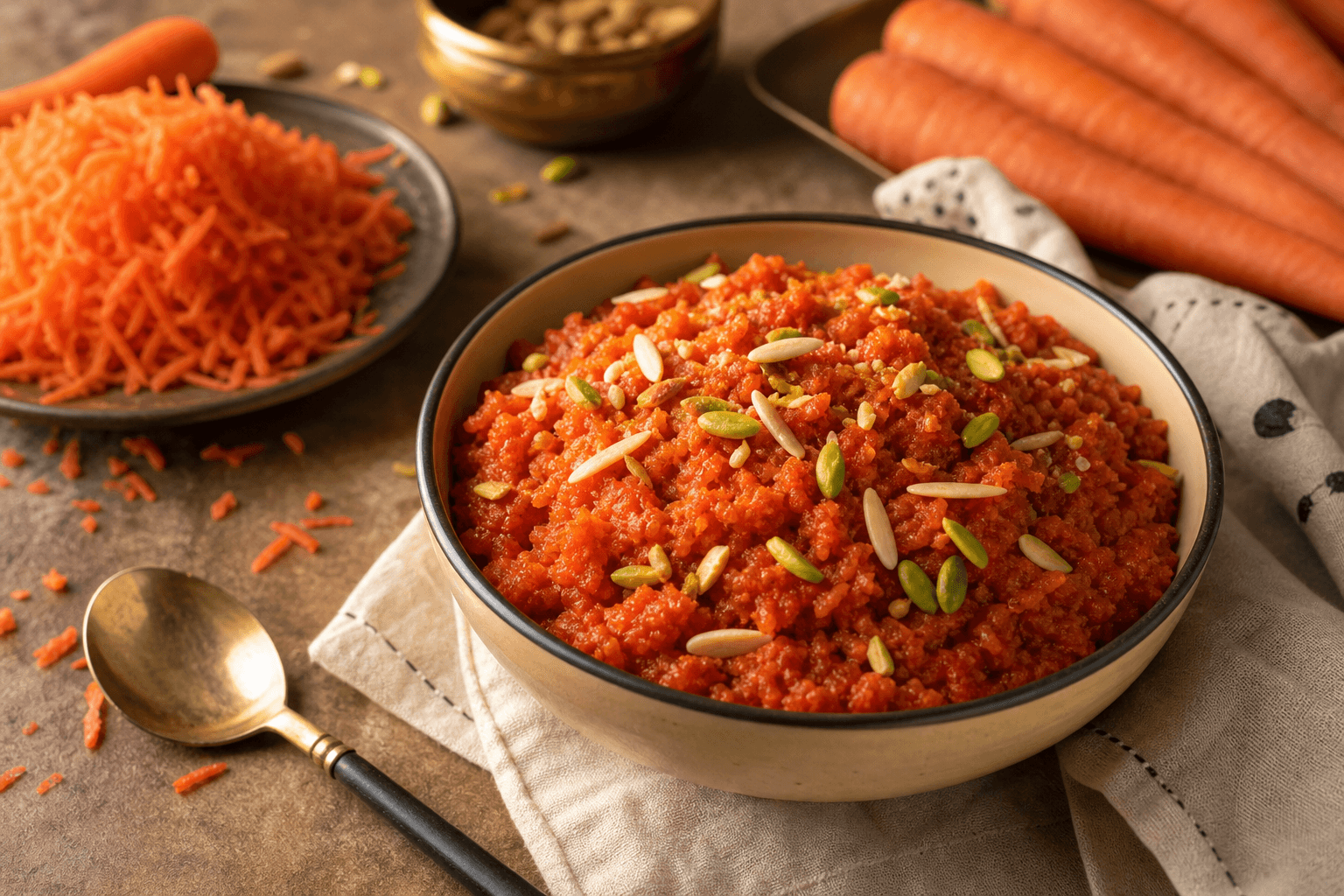
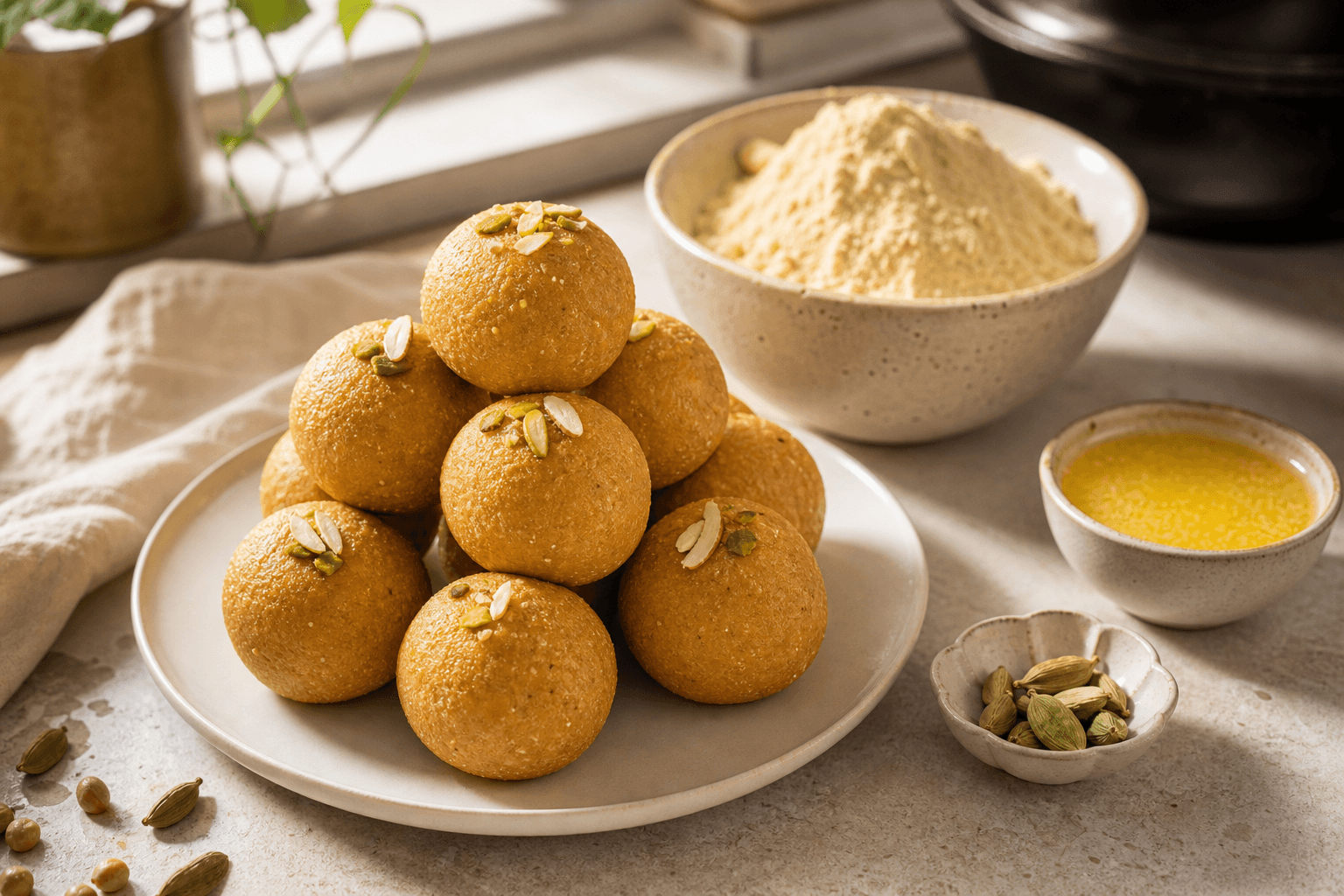
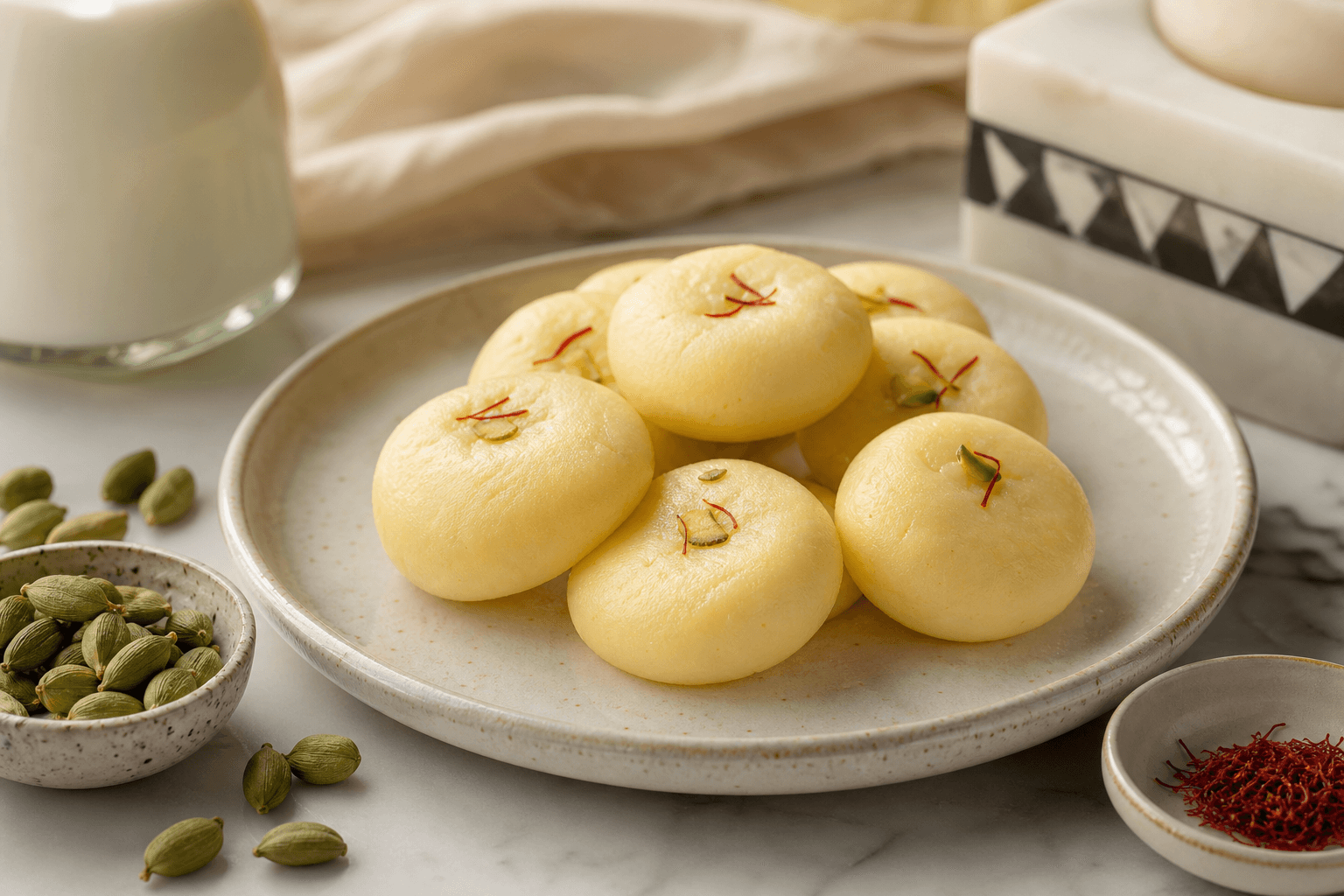
- Punjabi-inspired vegetarian table: pair traditional mithai with bold savouries and tea. Keep portions small, limit similar fried foods, and balance rich or syrupy sweets with fruit and plain tea.
For more ideas about shared textures and portions, use these Punjabi snack platter components as a starting point, then adapt the selection to afternoon tea.
Plan Portions Without Overbuilding the Table
For a light tea gathering, plan approximately 3 to 5 total small savoury or sweet bites per guest. This is a starting point because appetite, event length, and other meals affect consumption.
| Gathering type | Starting point per guest | Adjustment |
|---|---|---|
| Light afternoon tea between meals | 3 to 5 small bites | Use a balanced mix of savouries and sweets. |
| Long social gathering | 5 to 7 small bites | Add food if guests will sit for several hours. |
| Tea replacing lunch | 6 or more bites | Increase filling savouries instead of adding only sweets. |
For eight guests, a light gathering begins at roughly 24 to 40 total pieces. Count individual bites, not shared bowls of fruit or sauces. Increase the quantity when guests arrive hungry, the event runs through a meal period, or the menu has no bread, sandwiches, or other filling foods.
Build Contrast Across Flavour, Texture, and Temperature
A satisfying vegetarian platter needs contrast. Pair crisp or flaky savouries with soft sweets, fresh fruit with rich ingredients, and mild items with one or two more strongly spiced choices.
- One crisp or flaky savoury item.
- One soft or filled savoury item.
- One fresh element such as fruit or cucumber.
- One dry or firm sweet that is easy to pick up.
- One soft, creamy, or syrup-based sweet in a contained portion.
Do not make every item spicy, fried, syrupy, or dairy-heavy. Rich sweets benefit from fresh fruit and unsweetened tea, while heavily seasoned savouries pair well with simpler sweets and water.
For a broader framework, see these vegetarian savoury platter planning ideas. Afternoon tea uses the same principles with smaller portions and a deliberate sweet-to-savoury balance.
A Punjabi-Inspired Vegetarian Tea Spread
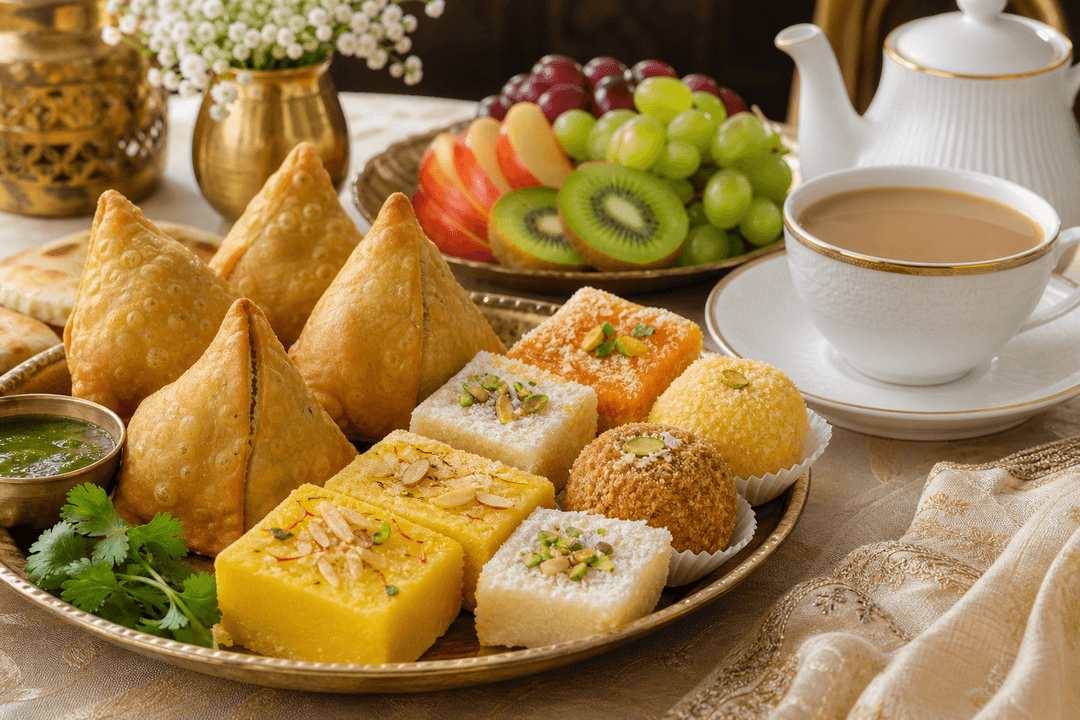
A Punjabi-inspired tea table can combine the variety of afternoon tea with Punjabi sweets and savouries. Treat it as a menu direction, not a confirmed afternoon-tea package from any provider.
For example, combine a small savoury item such as a samosa with another vegetarian snack, then add two contrasting mithai selections and fresh fruit. Keep fried items modest in quantity, and choose plain or lightly sweetened tea so drinks do not compete with syrup-based sweets.
If chutney, yogurt, or another wet accompaniment is included, serve it separately so crisp items do not soften. This advice on planning party snack trays in Abbotsford can help with the wider event context, while an afternoon tea version should stay smaller and lighter.
Match Each Item to Its Best Serving Temperature
Temperature affects texture as much as flavour. Plan the serving order so crisp foods avoid moisture and chilled items remain properly cold.
- Warm: freshly prepared fried or baked savouries are usually most appealing warm.
- Room temperature: many dry sweets, biscuits, firm pastries, and some sandwiches are easy to arrange and eat this way.
- Chilled: dairy-based or cream-based items may need refrigeration until close to serving.
- Assembled shortly before serving: add sauces, yogurt, wet garnishes, or juicy fruit shortly before guests arrive.
Separate warm savouries from delicate sweets during transport and setup. Put sauces in small bowls, use liners under oily or syrupy items, and replenish the table in smaller batches if the event lasts more than an hour.
A Simple Setup With Everyday Crockery
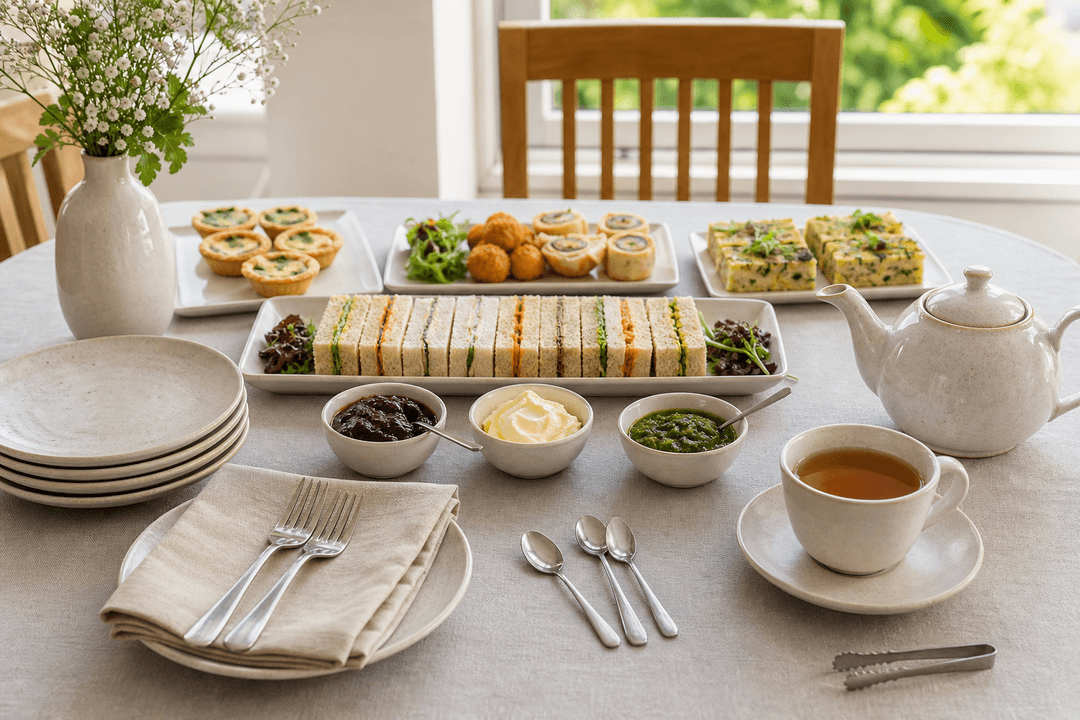
You do not need formal tea service. Use small plates, cups or mugs, teaspoons, forks, napkins, serving tongs, and small bowls for accompaniments.
A tiered stand is useful, but flat trays work just as well. Put savouries on one tray, dry sweets on another, and fruit or chilled items in a separate dish. Place tea, milk, sugar, and spoons at one end, with plates and napkins before the food.
Worked Example: An Eight-Person Vegetarian Afternoon Tea
This hypothetical light-tea plan for eight people uses approximately 32 small bites and assumes guests have eaten lunch.
- 12 savoury bites: six portions of one crisp item and six of a second savoury item.
- 12 sweets: two small pieces per guest using contrasting textures or flavours.
- 8 fresh portions: one small fruit serving per guest.
If the gathering replaces lunch, increase the savoury portion substantially and add a filling item such as a sandwich or another substantial vegetarian food. Do not simply double the sweets.
Questions to Ask Before Ordering a Platter or Components
Describe the event instead of asking only for an “afternoon tea platter,” since that phrase can mean different things to different providers.
- Is there a named afternoon tea or high tea platter, or should I order individual components?
- Which items are available for my date and serving time?
- Are the savouries and sweets fully vegetarian?
- What ingredients, nuts, dairy, wheat, or other allergens should guests know about?
- Are portions sold by piece, weight, tray, box, or another unit?
- Which items are prepared fresh, and how should they be served?
- How will crisp and wet items be packaged separately?
- Is pickup or delivery available, and what timing applies?
- What payment, order-change, or cancellation details apply?
Using Super Punjab Sweet House for Punjabi Tea-Table Components
Super Punjab Sweet House is a local Abbotsford option for 100% vegetarian Punjabi sweets and savoury snacks prepared fresh daily.
The shop is at 31940 South Fraser Way in Abbotsford. Ask about current availability, portion format, preparation timing, and whether the selected items suit your serving temperature and guest count. The business provides online ordering and lists (604) 504-2828 for contact.
Questions Hosts Commonly Ask
Is afternoon tea the same as high tea?
No. Afternoon tea is usually lighter, while high tea generally includes more substantial food and may replace an evening meal.
How many pieces should I plan per person?
Start with 3 to 5 small savoury or sweet bites per guest. Plan more when tea replaces lunch or the menu has few filling savouries.
Can an afternoon tea platter be entirely vegetarian?
Yes. Use vegetarian savouries, sandwiches or baked items, fruit, and sweets, then confirm ingredients and preparation details for specific dietary needs.
What should I ask a caterer?
Ask about the exact menu, portion units, preparation time, packaging, allergens, and pickup or delivery. Do not assume that “afternoon tea” includes sandwiches, scones, tea service, or crockery.
Can Punjabi sweets and savouries work for afternoon tea?
Yes, when served in small portions and balanced across textures and richness. Pair savouries with contrasting mithai, fruit, and plain tea.
Once you know the guest count, serving time, preferred balance, and portion format, you can request a useful recommendation. For Punjabi sweets and savoury components in Abbotsford, contact Super Punjab Sweet House about your tea-table order.
- afternoon
- tea
- platters